

🎯 Chapter 4: Enhanced E‑R (EER) Modeling
- 4.1 EER stands for Enhanced ER or Extended ER.
- 4.2 EER Model Concepts – includes all basic ER concepts plus additional ones.
- 4.3 EER is used to model applications more completely and accurately; includes object‑oriented concepts like inheritance.
- 4.4 Knowledge Representation and Ontology Concepts.
EER هي امتداد لـ ER وتضيف مفاهيم مثل: الكائنات الفائقة/الفرعية، التخصص/التعميم، الفئات (Union)، وراثة السمات والعلاقات، والقيود.
🧩 EER Additional Concepts
Includes all modeling concepts of basic ER plus:
- Subclasses / Superclasses
- Specialization / Generalization
- Categories (UNION types)
- Attribute and relationship inheritance
Also includes constraints on specialization/generalization.
في الفصول السابقة تعلمنا نموذج ER الذي يعتمد على كيانات وعلاقات بسيطة. لكن عند تصميم قواعد بيانات حقيقية، نجد أن العالم الواقعي يحتوي على تفاصيل أكثر تعقيداً. على سبيل المثال: الموظفون ليسوا كلهم متشابهين، فهناك مهندسون وسكرتارية ومدراء، ولكل مجموعة خصائص إضافية. هنا يأتي دور نموذج EER (النمذجة الموسعة للكيانات والعلاقات) الذي يضيف مفاهيم قوية مثل:
- Subclasses/Superclasses (الكائنات الفرعية والفائقة) – لتمثيل التصنيفات المختلفة.
- Specialization/Generalization (التخصص والتعميم) – طرق بناء هذه التصنيفات.
- Categories (UNION types) (الفئات) – عندما يمكن أن يكون الكائن من عدة أنواع مختلفة.
- Inheritance (الوراثة) – حيث ترث الكائنات الفرعية صفات الكائنات الفائقة.
- Constraints (القيود) – قيود على كيفية توزيع الكائنات بين التصنيفات.
هذه المفاهيم تجعل النموذج أكثر دقة وقدرة على تمثيل الواقع، وهي تشبه مفاهيم البرمجة الكائنية (OOP) مثل الوراثة.
🔹 Subclasses and Superclasses
An entity type may have additional meaningful subgroupings of its entities – these are called subclasses (or subtypes).
Example: EMPLOYEE can be grouped into: SECRETARY, ENGINEER, TECHNICIAN (based on job), MANAGER (role), SALARIED_EMPLOYEE, HOURLY_EMPLOYEE (based on pay method).
Each subclass is a subset of the superclass EMPLOYEE. EMPLOYEE is the superclass for each.
📌 IS‑A Relationships
These are called IS‑A relationships: SECRETARY IS‑A EMPLOYEE, TECHNICIAN IS‑A EMPLOYEE, etc.
Important: An entity that is a member of a subclass represents the same real-world entity as some member of the superclass. The subclass member is the same entity in a distinct specific role.
An entity cannot exist in the database merely by being a member of a subclass; it must also be a member of the superclass. A member of the superclass can optionally be included in any number of its subclasses.
- A salaried employee who is also an engineer belongs to two subclasses: ENGINEER and SALARIED_EMPLOYEE.
- A salaried employee who is also an engineering manager belongs to three subclasses: MANAGER, ENGINEER, SALARIED_EMPLOYEE.
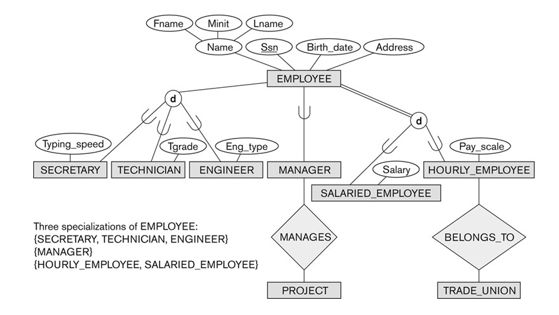
Figure 4.1 – EER notation for subclasses and specialization
الهدف: تمثيل أن الكيانات في الواقع ليست كلها متشابهة، بل لها تصنيفات فرعية.
Superclass (كائن فائق) هو كيان عام، مثل EMPLOYEE. Subclass (كائن فرعي) هو مجموعة جزئية من هذا الكيان، مثل ENGINEER. العلاقة بينهما تسمى IS‑A (هو نوع من).
قواعد مهمة:
- الكائن في subclass هو نفس الكيان في superclass، لكن بدور محدد. مثلاً: أحمد هو موظف، وهو أيضاً مهندس. لا يوجد شخصان منفصلان.
- لا يمكن أن يكون هناك كائن في subclass دون أن يكون موجوداً في superclass. (لا يمكن أن يكون هناك مهندس دون أن يكون موظفاً).
- الكائن في superclass يمكن أن ينتمي إلى عدة subclasses. مثلاً: موظف يمكن أن يكون مهندساً ومديراً في نفس الوقت.
مثال من الحياة: في جامعة، لدينا كيان PERSON. يمكن أن يكون له subclasses: STUDENT, PROFESSOR, STAFF. كل شخص هو أحد هذه الأدوار (أو أكثر). الصفات المشتركة (الاسم، العنوان) موجودة في PERSON، والصفات الخاصة (مثل التخصص للطالب) تضاف في subclass.
🧬 Inheritance
An entity that is a member of a subclass inherits:
- All attributes of the entity as a member of the superclass.
- All relationships of the entity as a member of the superclass.
Example: SECRETARY, TECHNICIAN, ENGINEER inherit attributes Name, SSN, …, from EMPLOYEE. Every SECRETARY entity will have values for those inherited attributes.
Subclasses can also have specific (local) attributes (e.g., TypingSpeed for SECRETARY) and participate in specific relationship types (e.g., BELONGS_TO for HOURLY_EMPLOYEE).
الوراثة هي ميزة قوية في EER. ببساطة، الكائن في subclass يرث كل الصفات والعلاقات الموجودة في superclass. هذا يعني أننا لا نحتاج إلى إعادة تعريف الاسم والرقم القومي ... لكل مهندس. هي موجودة تلقائياً.
مثال: كل SECRETARY له اسم (Name) ورقم ضمان اجتماعي (SSN) من EMPLOYEE. بالإضافة إلى ذلك، يمكن للسكرتير أن يكون له سمة محلية مثل TypingSpeed (سرعة الطباعة) لا توجد عند الموظفين الآخرين.
كذلك، العلاقات (مثل Works_For) التي يشارك فيها الموظف تكون موروثة للسكرتير. يمكن أن يكون للسكرتير أيضاً علاقات خاصة به.
تشبيه: الوراثة مثل الميراث في العائلة: الأب (superclass) له ممتلكات (صفات)، والأبناء (subclasses) يرثون هذه الممتلكات، ويمكن أن يضيفوا ممتلكات خاصة بهم.
⬇️ Specialization (top‑down)
Specialization is the process of defining a set of subclasses of a superclass based on some distinguishing characteristics.
Examples:
- {SECRETARY, ENGINEER, TECHNICIAN} based on job type.
- MANAGER based on role.
- {SALARIED_EMPLOYEE, HOURLY_EMPLOYEE} based on method of pay.
We can have several specializations of the same superclass.
التخصص هو عملية من الأعلى إلى الأسفل (top-down). نبدأ بكيان عام (superclass) ثم نقسمه إلى كائنات فرعية (subclasses) بناءً على صفات مميزة.
مثال: لدينا EMPLOYEE. نلاحظ أن الموظفين يختلفون في وظائفهم. لذلك نصنع تخصصاً يسمى Job_Specialization يتضمن {ENGINEER, SECRETARY, TECHNICIAN}. ونصنع تخصصاً آخر يسمى Pay_Specialization يتضمن {SALARIED_EMPLOYEE, HOURLY_EMPLOYEE}.
لماذا نستخدم التخصص؟ لأن كل مجموعة فرعية قد تحتاج إلى صفات إضافية لا تنطبق على باقي الموظفين. مثلاً: المهندس قد يكون له تخصص (Civil, Software) لا نحتاجه للسكرتير.
⬆️ Generalization (bottom‑up)
Generalization is the reverse of specialization. Several classes with common features are generalized into a superclass; original classes become its subclasses.
Example: CAR and TRUCK are generalized into VEHICLE. Both become subclasses of VEHICLE.
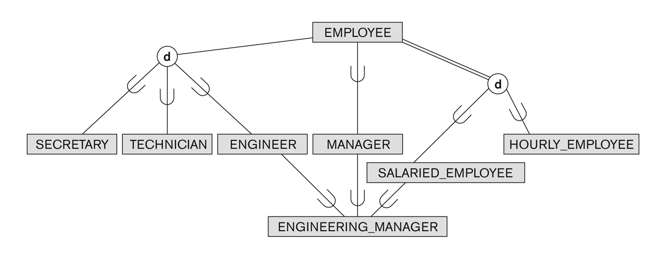
Figure 4.3 – Generalization
In practice, a combination of both processes is usually employed.
التعميم هو عكس التخصص. نبدأ من الأسفل إلى الأعلى (bottom-up). لدينا عدة كيانات فرعية، نلاحظ أنها تشترك في صفات معينة، فنقوم بإنشاء كيان فائق (superclass) يجمع هذه الصفات المشتركة.
مثال: لدينا CAR و TRUCK. كلاهما له رقم تعريف (Vehicle_id) وطراز (Model). يمكننا إنشاء VEHICLE كـ superclass يحتوي على هذه الصفات المشتركة، وتصبح CAR و TRUCK كائنات فرعية (subclasses).
في التطبيقات العملية: غالباً ما نستخدم خليطاً من التخصص والتعميم. نبدأ بتحديد الكيانات الرئيسية ثم ننقح النموذج بإضافة التخصصات أو التعميمات حسب الحاجة.
🏷️ Types of Specialization
- Predicate-defined (condition-defined): based on a condition (e.g., Job-type = 'Engineer').
- Attribute-defined: a special case where condition is on the same attribute (defining attribute). Example: JobType is defining attribute for {SECRETARY, TECHNICIAN, ENGINEER}.
- User-defined: membership is defined by the user on an entity‑by‑entity basis.
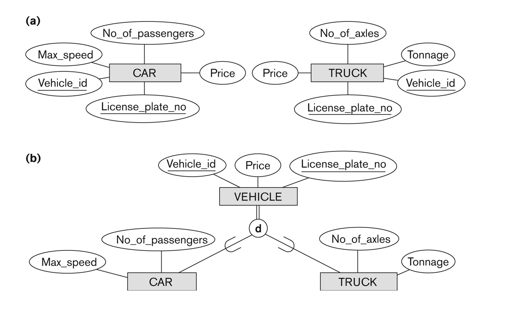
Figure 4.4 – Attribute-defined specialization on Job_type
كيف نحدد من ينتمي إلى أي subclass؟ هناك ثلاث طرق:
- Predicate-defined (محدد بشرط): نضع شرطاً على قيمة سمة. مثلاً: إذا كانت قيمة السمة Job_type تساوي "Engineer" فإن الموظف ينتمي إلى subclass ENGINEER.
- Attribute-defined (محدد بسمة): هذا نوع خاص من التخصص عندما يكون الشرط معتمداً على نفس السمة لكل الـ subclasses. السمة تسمى defining attribute. مثال: سمة JobType تحدد العضوية في {SECRETARY, TECHNICIAN, ENGINEER}. في الرسم، نكتب اسم السمة بجانب الخط.
- User-defined (محدد من المستخدم): لا يوجد شرط آلي. المستخدم (أو المبرمج) هو من يقرر يدوياً أي كائن ينتمي لأي subclass. هذا مناسب عندما لا يمكن التعبير عن العضوية بشرط بسيط.
⚠️ Two Basic Constraints
1. Disjointness Constraint
- Disjoint (d): an entity can be a member of at most one subclass of the specialization. (Example: EMPLOYEE cannot be both SALARIED and HOURLY.)
- Overlapping (o): an entity may be a member of more than one subclass. (Example: a person can be both STUDENT and EMPLOYEE.)
2. Completeness (Exhaustiveness) Constraint
- Total (double line): every entity in the superclass must be a member of some subclass.
- Partial (single line): an entity may not belong to any subclass.
📊 Four Combinations
| Disjoint, Total | Every entity belongs to exactly one subclass, no overlap. (Example: Employee → Hourly/Salaried, must be one) |
| Disjoint, Partial | An entity can be in at most one subclass, but some may be in none. (Example: Vehicle → Car/Motorcycle, but some vehicles are neither) |
| Overlapping, Total | Every entity belongs to at least one subclass, may belong to several. (Example: Person → Student/Employee, every person must be at least one) |
| Overlapping, Partial | Entities may belong to one or more subclasses, or none. (Example: BankAccount → Savings/Checking, a customer may have both, one, or a basic account) |
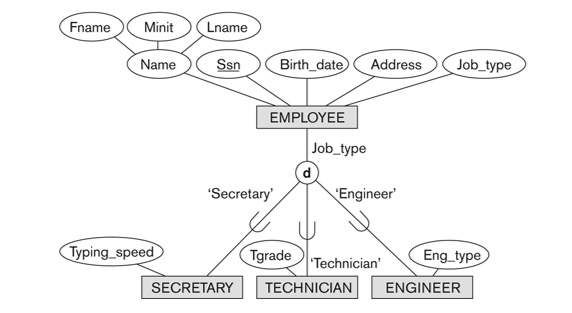
Figure 4.4 (disjoint partial) and Figure 4.5 (overlapping total)
عند تصميم التخصص، نحتاج إلى تحديد قيدين رئيسيين:
أولاً: قيد التباين (Disjointness) – ويرمز له بـ d أو o
- Disjoint (d): الكائن يمكن أن يكون عضواً في subclass واحد فقط. مثال: موظف لا يمكن أن يكون في نفس الوقت موظفاً براتب شهري وموظفاً بالساعة. هذان النوعان متنافيان.
- Overlapping (o): الكائن يمكن أن يكون عضواً في عدة subclasses. مثال: شخص يمكن أن يكون طالباً وموظفاً في نفس الوقت. الأدوار غير متنافية.
ثانياً: قيد الاكتمال (Completeness) – ويرمز له بنوع الخط
- Total (خط مزدوج): كل كائن في superclass يجب أن ينتمي إلى subclass واحد على الأقل. مثال: كل موظف إما براتب شهري أو بالساعة. لا يوجد موظف خارج هذين النوعين.
- Partial (خط مفرد): يمكن أن يكون هناك كائنات في superclass لا تنتمي إلى أي subclass. مثال: مركبة يمكن أن تكون سيارة أو دراجة، لكن قد تكون هناك مركبات أخرى (شاحنة) ليست مصنفة.
من هذين القيدين، نحصل على أربع حالات (أنظر الجدول). فهم هذه الحالات يساعد في تصميم قاعدة بيانات دقيقة.
🌲 Hierarchies and Lattices
- Hierarchy: every subclass has only one superclass (single inheritance) – a tree structure.
- Lattice: a subclass can have more than one superclass (multiple inheritance) – called a shared subclass.
Example: ENGINEERING_MANAGER is a subclass of both ENGINEER and MANAGER (shared subclass).
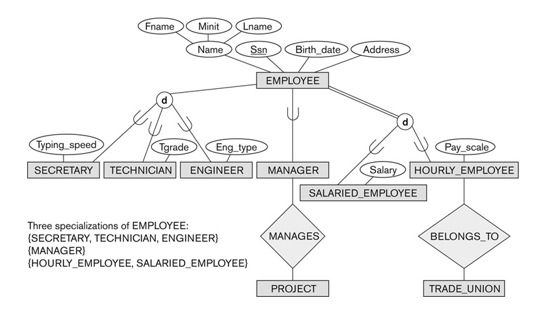
Figure 4.6 – Specialization lattice with shared subclass ENGINEERING_MANAGER
Inheritance in lattice: a subclass inherits attributes of all its direct and predecessor superclasses.
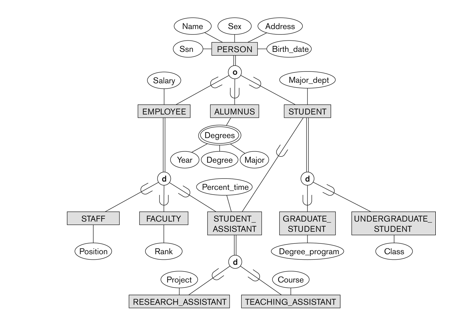
Figure 4.7 – Specialization lattice for UNIVERSITY database
عندما نبدأ في بناء تخصصات متعددة، قد تتشكل لدينا هياكل:
- Hierarchy (تدرج): كل subclass له superclass واحد فقط. هذا يشبه الوراثة الوحيدة (single inheritance). مثال: EMPLOYEE ← ENGINEER ← SOFTWARE_ENGINEER. لا يوجد سوى مسار واحد للوراثة.
- Lattice (شبكة): يمكن أن يكون للـ subclass أكثر من superclass واحد. هذا يسمى الوراثة المتعددة (multiple inheritance) والـ subclass يسمى shared subclass. مثال: ENGINEERING_MANAGER هو مهندس (ENGINEER) ومدير (MANAGER) في نفس الوقت. لذلك يرث صفات المهندس وصفات المدير معاً.
ملاحظة مهمة: في الشبكة، الـ subclass يرث صفات جميع الـ superclasses المباشرة وغير المباشرة. هذا يوفر قوة تعبيرية كبيرة لكنه يضيف تعقيداً.
🔷 Categories (Union Types)
In some cases, we need a single superclass/subclass relationship with more than one superclass – a category or UNION type.
Example: In a vehicle registration database, an owner can be a PERSON, a BANK, or a COMPANY. We create a category OWNER that is a subset of the union of these three entity types.
A category member must exist in at least one of its superclasses (typically just one).
Difference from shared subclass:
- Shared subclass: subset of the intersection of its superclasses (must exist in all superclasses).
- Category: subset of the union (exists in at least one).
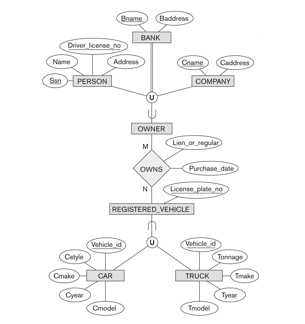
Figure 4.8 – Two categories: OWNER and REGISTERED_VEHICLE
مشكلة جديدة: أحياناً نحتاج إلى تمثيل كائن يمكن أن يكون من عدة أنواع مختلفة تماماً. مثال: من يمكنه امتلاك سيارة؟ يمكن أن يكون شخصاً (PERSON)، أو بنكاً (BANK) له حق الحجز (lien)، أو شركة (COMPANY).
الحل: ننشئ category (فئة) اسمها OWNER. هذه الفئة هي اتحاد (union) للكيانات الثلاثة. أي أن العضو في OWNER يجب أن يكون موجوداً في واحد على الأقل من هذه الكيانات (وليس بالضرورة كلها).
الفرق بين category و shared subclass:
- Shared subclass (مثل ENGINEERING_MANAGER) يشترط أن يكون الكائن موجوداً في جميع الـ superclasses (تقاطع – intersection).
- Category (مثل OWNER) يشترط أن يكون الكائن موجوداً في واحد على الأقل من الـ superclasses (اتحاد – union).
في المخططات، نرمز للفئة بدائرة داخلها حرف U (Union).
📐 Formal Definitions
- Class C: a type of entity with a corresponding set of entities (could be entity type, subclass, superclass, or category).
- Subclass S of C: S inherits all attributes and relationships of C; the set of entities of S is always a subset of the set of entities of C.
- Specialization Z = {S₁, S₂, ..., Sₙ} with superclass G. Z is total if union of all Sᵢ = G; otherwise partial. Z is disjoint if Sᵢ ∩ Sⱼ = ∅ for i≠j; otherwise overlapping.
- Predicate-defined subclass: S = G[p], where p is a condition on attributes of G.
- Attribute-defined specialization: if a predicate A = cᵢ is used for each subclass (A is the defining attribute).
- Category (UNION type) T: T ⊆ (D₁ ∪ D₂ ∪ ... ∪ Dₙ) where Dᵢ are defining superclasses. T is a subset of the union.
للدقة، نعرف هذه المفاهيم رياضياً:
- Class: أي نوع كيان (entity type, subclass, superclass, category).
- Subclass S من C: S مجموعة جزئية من C، وترث كل صفات وعلاقات C.
- Specialization Z = {S₁, S₂, ..., Sₙ} مع superclass G. Z هو total إذا كان اتحاد Sᵢ = G (أي أن كل كائن في G ينتمي لـ subclass). Z هو partial إذا كان الاتحاد مجموعة جزئية من G. Z هو disjoint إذا كانت المجموعات منفصلة (لا يوجد عنصر مشترك).
- Predicate-defined subclass: S = G[p] حيث p شرط على سمات G. مثال: ENGINEER = EMPLOYEE[Job_type = 'Engineer'].
- Attribute-defined specialization: إذا كان الشرط لكل subclass هو قيمة محددة لنفس السمة. مثال: لكل subclass شرط على سمة Job_type.
- Category T: T ⊆ (D₁ ∪ D₂ ∪ ... ∪ Dₙ). أي أن كل عنصر في T هو عنصر في واحد على الأقل من الـ superclasses.
🔄 UML and Other Notations
EER diagrams use specific notation, but many design tools use alternatives like UML class diagrams.
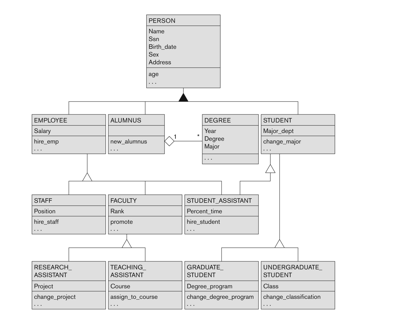
Figure 4.10 – UML class diagram for specialization/generalization
Other notations exist for displaying attributes, cardinality ratios, (min, max) constraints, etc.
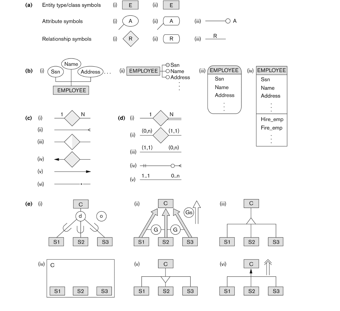
Figure A.1 – Alternative notations
هناك رموز بديلة لتمثيل EER مثل UML class diagrams ورموز أخرى للسمات والعلاقات والقيود.
📌 Chapter 4 – EER Modeling: All Key Concepts
- EER extends ER with: subclasses/superclasses, specialization/generalization, categories (UNION), inheritance, and constraints.
- Subclass IS‑A superclass; inherits attributes/relationships; can have local attributes.
- Specialization (top‑down): defining subclasses from a superclass. Generalization (bottom‑up): combining classes into a superclass.
- Types of specialization: predicate-defined, attribute-defined, user-defined.
- Constraints: disjoint (d) vs overlapping (o); total (double line) vs partial (single line). Four combinations.
- Hierarchy: single inheritance; Lattice: multiple inheritance (shared subclass).
- Category (UNION type): subclass of more than one superclass (member in at least one).
- Formal definitions: class, subclass, specialization, category.
- Alternative notations: UML, various (min, max) notations.
- EER هو امتداد لـ ER يسمح بتمثيل أكثر دقة للواقع.
- Subclasses (كائنات فرعية) تمثل تصنيفات داخل الكائن الفائق (superclass). العلاقة هي IS‑A.
- Specialization (تخصص) هو عملية تقسيم superclass إلى subclasses. Generalization (تعميم) هو عكسها.
- الـ subclass يرث (inherits) كل صفات وعلاقات الـ superclass، ويمكن أن يضيف صفات محلية.
- هناك أنواع من التخصص: محدد بشرط، محدد بسمة، محدد من المستخدم.
- القيود: disjoint (d) و overlapping (o) (لتحديد إمكانية الانتماء لعدة subclasses)، و total/partial (خط مزدوج/مفرد) لتحديد ما إذا كان كل كائن في superclass يجب أن ينتمي لـ subclass.
- Hierarchy: وراثة وحيدة. Lattice: وراثة متعددة (shared subclass).
- Category (Union type): فئة تمثل اتحاد عدة superclasses مختلفة (العضو في واحد منها على الأقل).